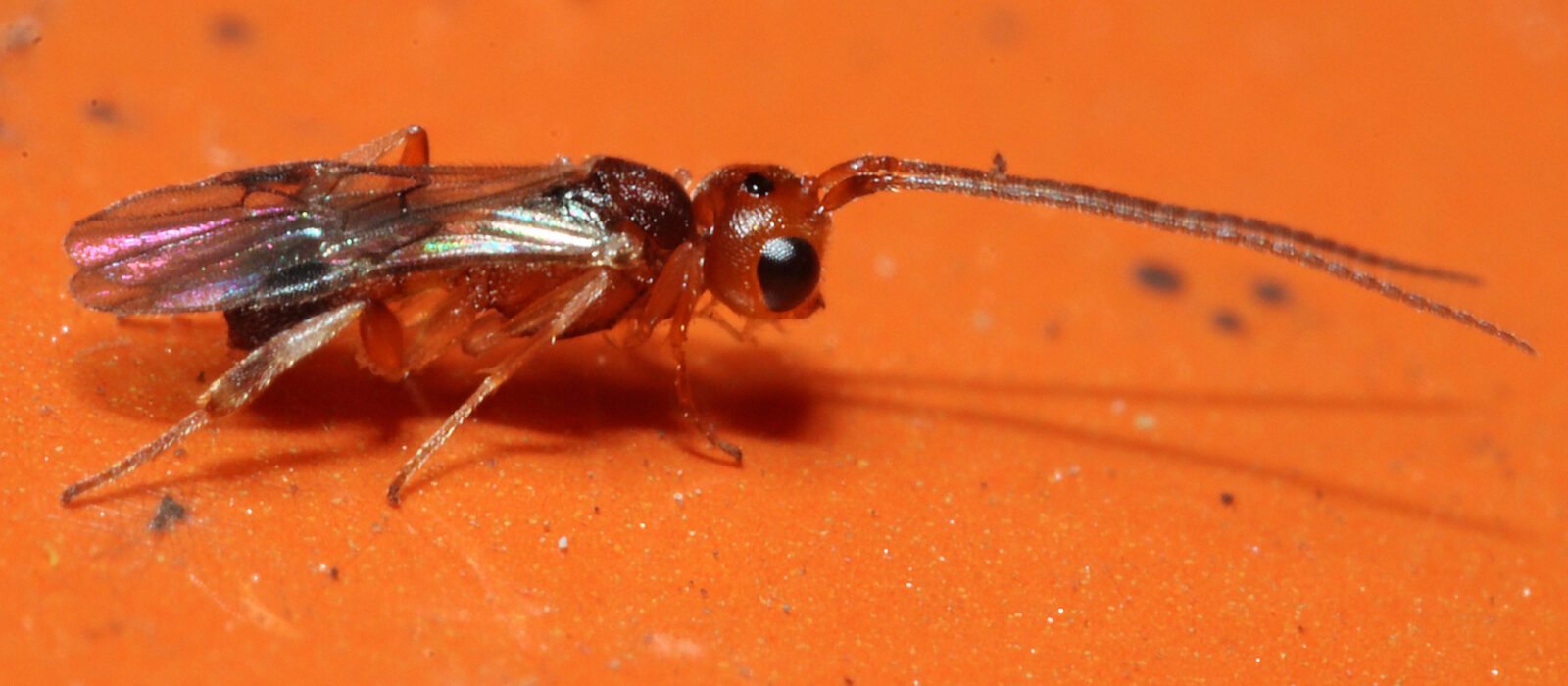
A teacher at Martha’s Vineyard Regional High School, guest blogger Chris Baer takes on the classic start-of-the-school-year essay topic. His evolution from timid iNaturalist user into obsessed arthropod photographer shows that multiple routes can lead to serious nature study.
What I Did This Summer
I took about 20,000 photographs of wildlife, mostly insects. I’m not sure why.
My better photos are uploaded to iNaturalist, but there were loads of terrible photos, too, which will never be seen again. I photographed 454 different species of insects alone. More than 380 of those were in my backyard. We clearly have a lot of bugs. That total doesn’t include the 70+ species of arachnids I’ve found in my neighborhood, or the snails and slugs, or woodlice (who rule the night), or the millipedes.
It became a bit of an obsession, it’s true. My wife and son roll their eyes at me when I pick up the camera and head for the back door, it’s also true. But it is a wonderful procrastination activity. A great 10-minute break from life. Beats cigarettes, certainly.
I can’t say that I’m terribly interested in insects, but they are super fun to photograph. And I’ve learned a lot, whether I wanted to or not. And maybe my observations will help some scientist or student in the future. I also like plants and mushrooms. But they don’t change much in my yard. And new bugs appear all the time.
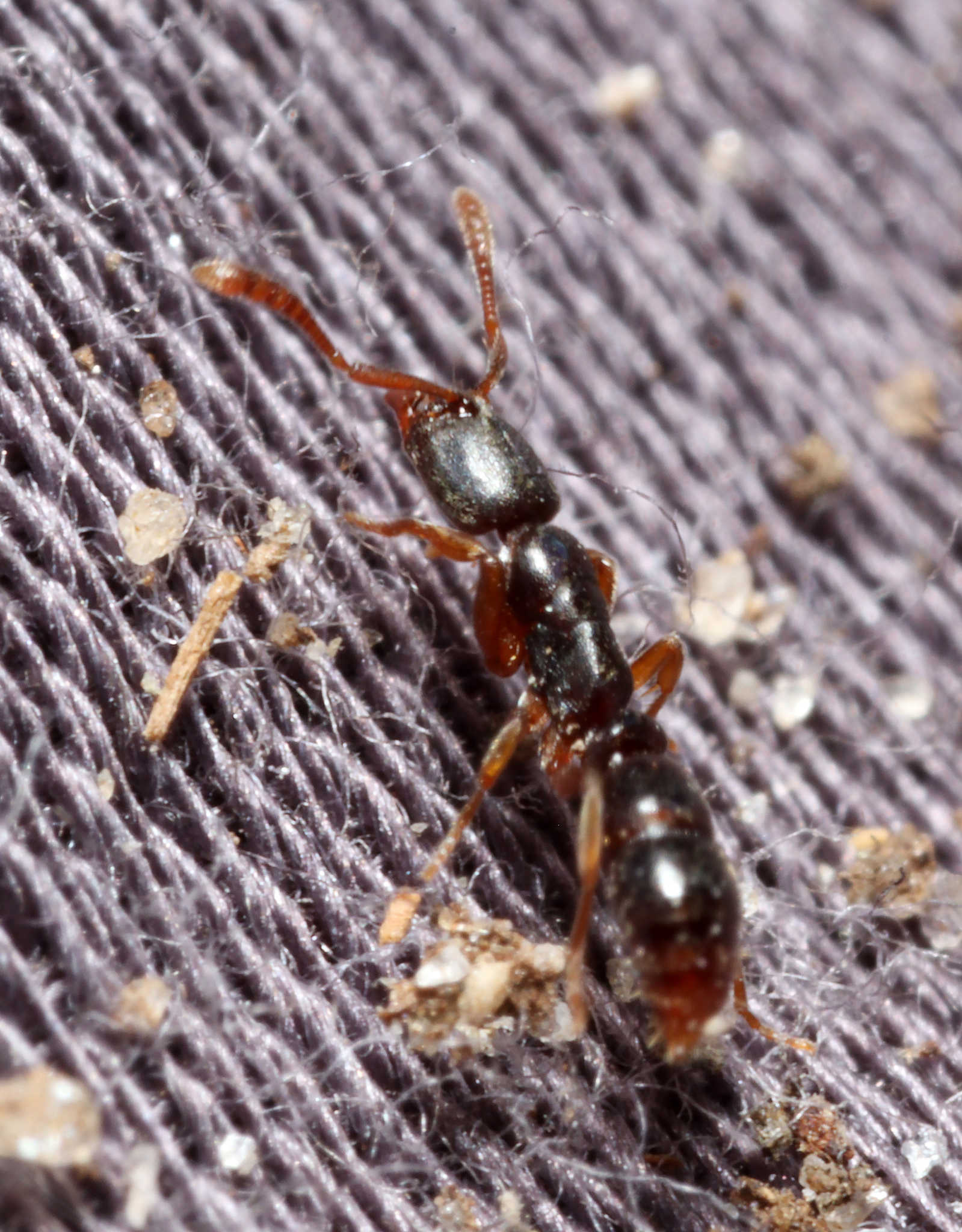
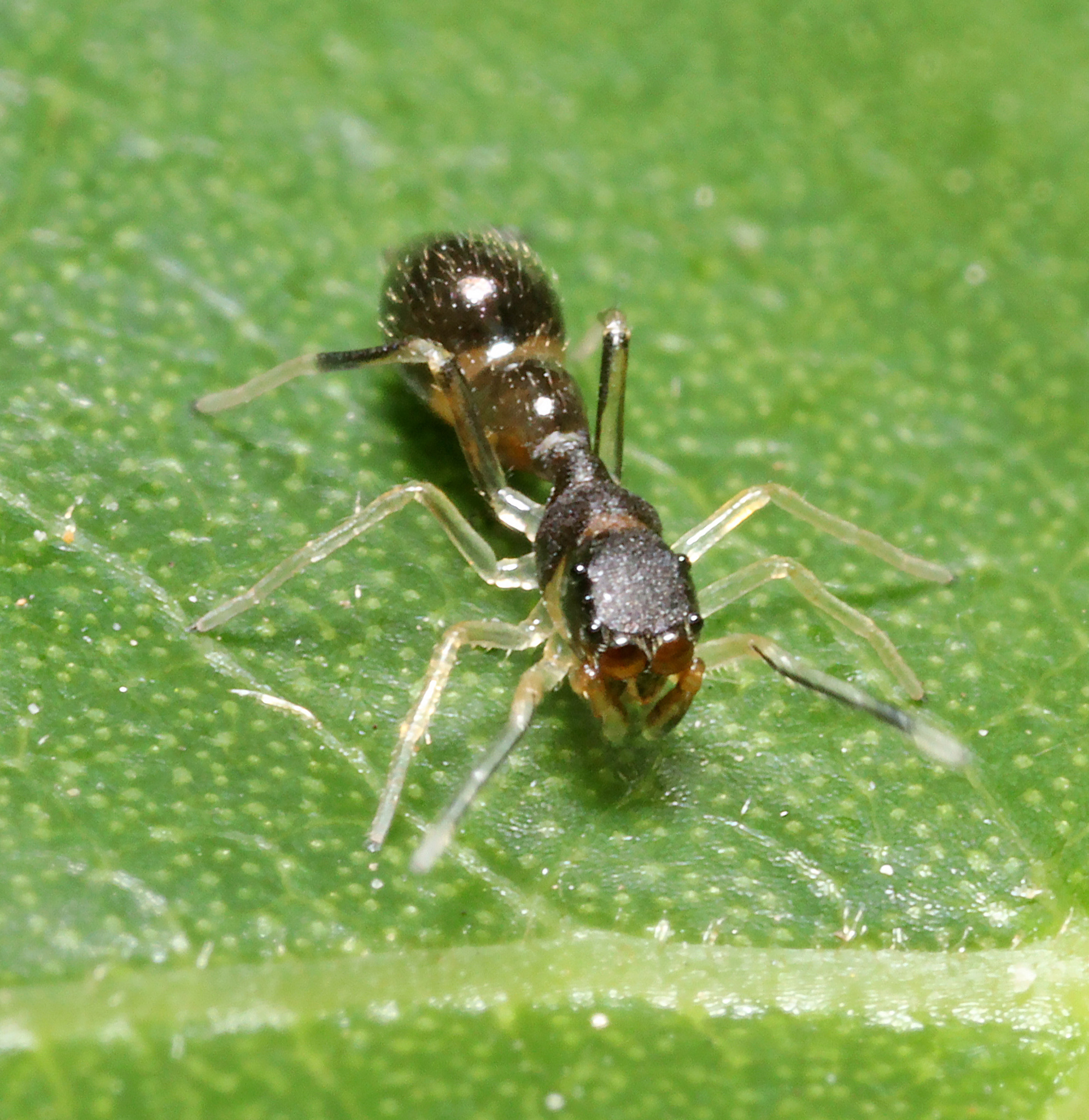
Ants rule the land — I’ve found 15 different species on my own property without trying very hard. (More than 50 species of ants have been recorded on the Vineyard on iNaturalist.) I’ve learned that some creatures that look a whole lot like ants at first glance are actually spiders — “ant-mimic spiders.” I think that’s pretty cool. I’ve also learned that some creatures that don’t look much like ants are indeed ants: porthole ants. They live under my porch.
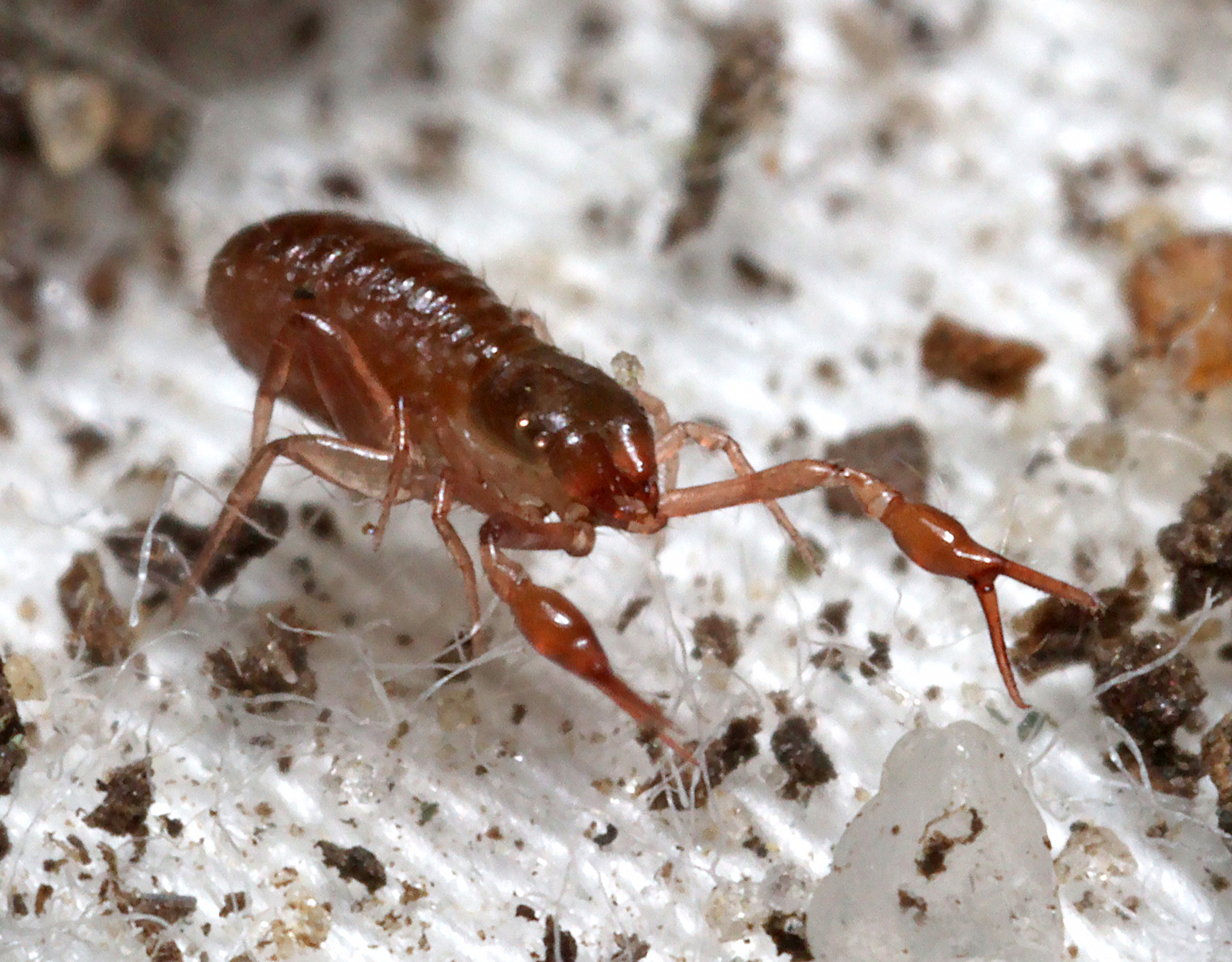
Also under my porch are pseudoscorpions, I’ve learned. They look like miniature land lobsters. They’re harmless. Beneficial, actually; I’m told they eat pests.
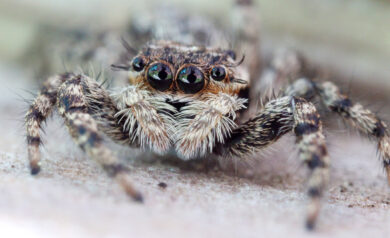
Spiders rule the leaves. I’ve learned that the eye patterns on spiders are key to identifying them, so I always try to photograph their oh-so-many eyes. Did you know that you can take a selfie in a spider’s eye? (Look carefully at the largest eyes in jumping spider photo at the top of this blog post.)
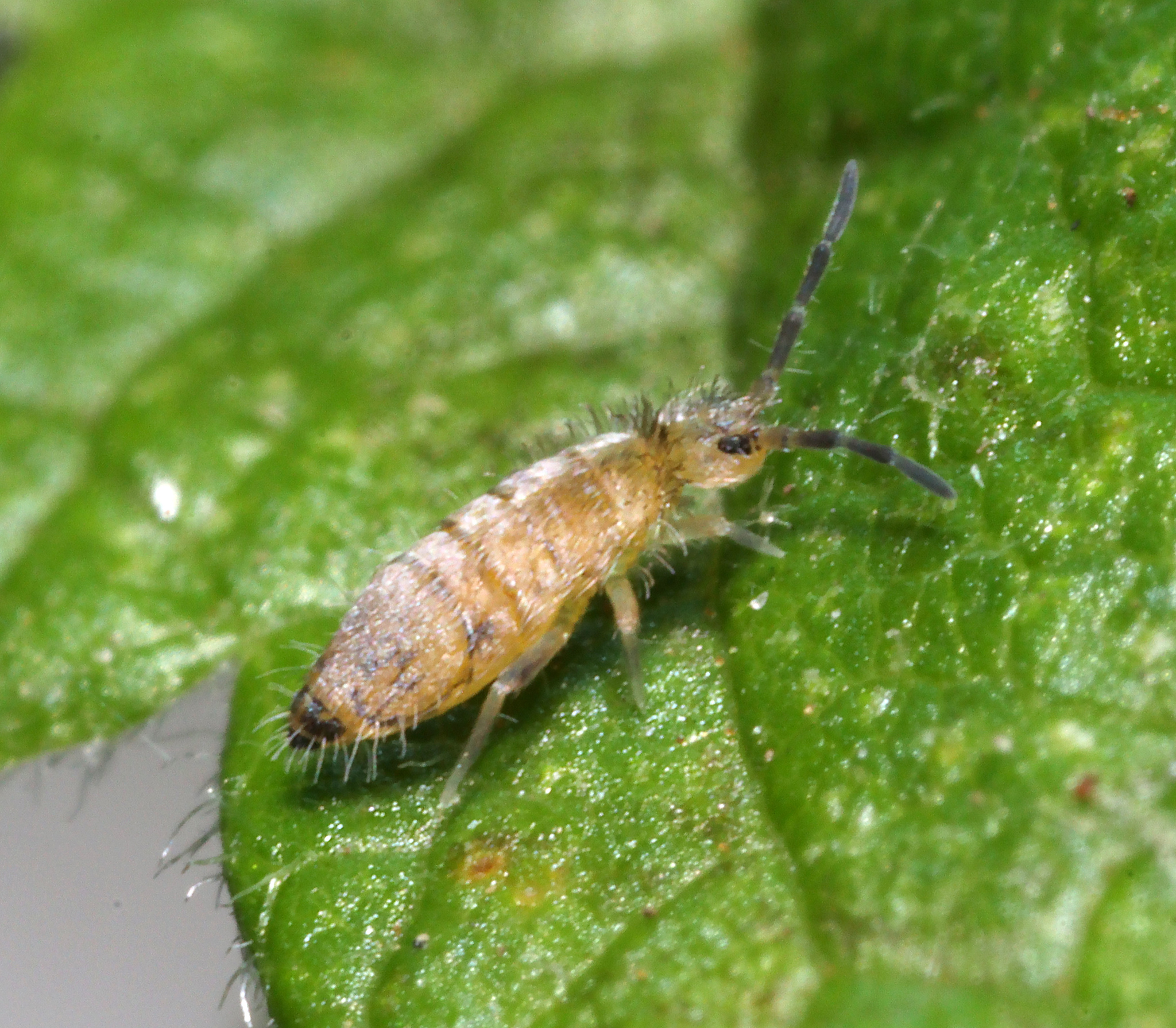
I’d never heard of springtails, which, like spiders and woodlice, are not insects. But they’re everywhere.
Some of these creatures are kinda cute. Others are pretty scary. So much of horror and science fiction clearly draws inspiration from the macro world, I realize. Seeing some of these creatures up close can be familiar in all the worst ways.
I’ve observed species that nobody on the Vineyard — not a single person of the more than 2,200 who have put Vineyard photographs into iNaturalist — has entered into iNat before. Whole new genera. Maybe even whole new families. But I’ve learned that this is pretty common: there’s just that much diversity out there, especially when you’re armed with a macro lens, and very little of it has been studied in the past.
Some insects are clearly camera-shy, ducking behind a leaf or branch when the camera comes near, or flying away the moment you even think about it. Others, I swear, pose for you. “Set a dorsal shot as your primary observation,” insists “Entomike” (iNat user name for the prolific Texas iNaturalist Mike Quinn) in a comment. But sometimes I’m a sucker for drama…
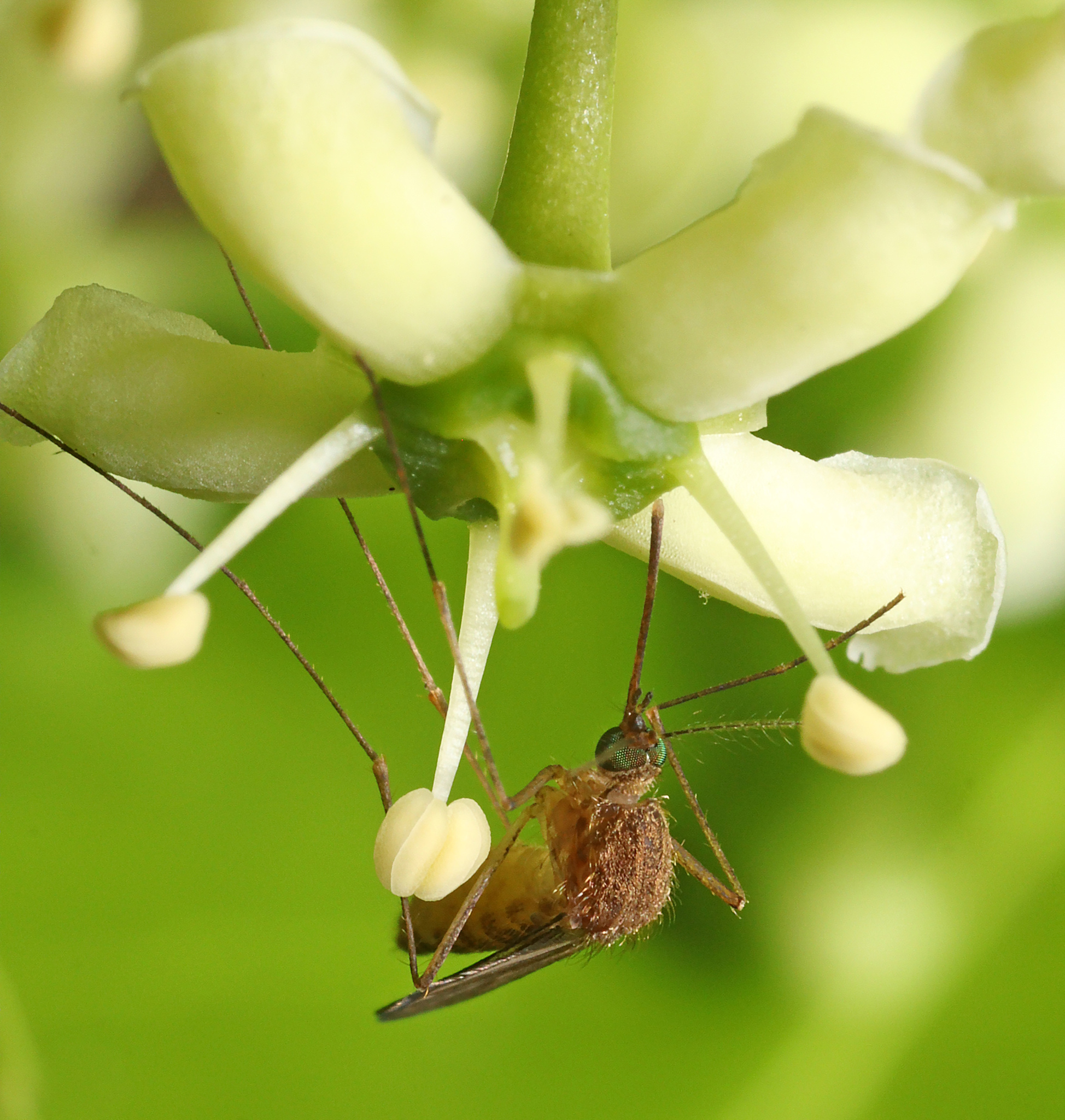
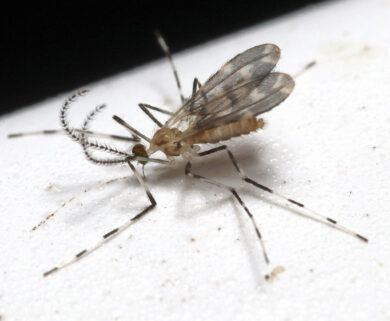
I have a bargain with (biting) mosquitoes: if they let me photograph them, I won’t kill them. I don’t have that bargain with ticks.
Moths are everywhere in the forest. But like the will-o’-the-wisps of old storybook tales, they’re extremely good at teasing you, goading you into wandering ever deeper into the woods. You never quite get close enough to take their photo.
Needless to say, my collection of wildlife photos is strongly biased toward slow-moving species.
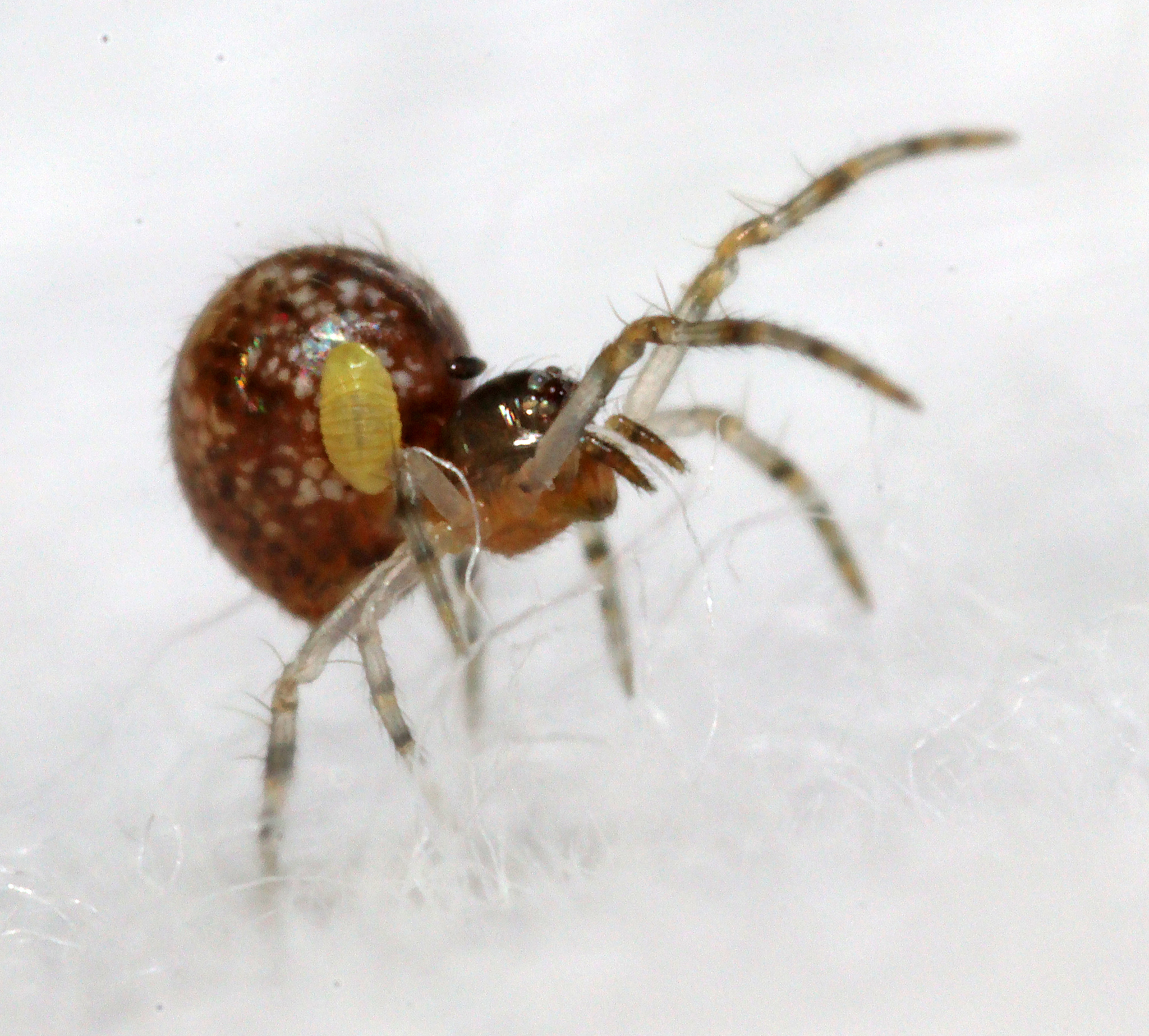
I’ve learned that many insects and spiders have parasites. I’ve seen wasp larvae, for instance, attached to orbweaver spiders like an “Alien” pupa attached to Sigourney Weaver’s face. Perhaps the wasp larvae have their own parasites, too small for my macro lens to pick up, in some sort of recursive fractal of horrors? I wonder.
I should probably learn a little Latin, but I love many of the really colorful common names: assassin bugs, brassy blister beetles, cloaked marvels, pirate spiders, confused woodgrain moths, garden ghosts, little wood satyrs, morbid owlets, mottled odorous ants, pale beauties, slowpoke moths, speckled sharpshooters, splendid daggers, treeteeth, tumbling ragdolls, flesh flies, uncertain field ants, warty harvestmen, whirligig mites…
I should probably go get some work done now. But just let me check my back fence again, first…
Chris Baer is the Chair of the Art, Design, and Technology Department at the Martha’s Vineyard Regional High School. Though he joined iNaturalist in May 2021, it was not until this field season that he began using the platform extensively. His sharp eye and macro photography skills have made a huge contribution to the Martha’s Vineyard Atlas of Life iNat project.